
Simplifying Campus Recruitment: How Startups Can Leverage AI Interview Screening in 2025
Discover how startups can simplify campus recruitment with AI interview screening—covering automation, bias reduction, and ROI
Table of Contents

Campus recruitment presents both immense opportunity and operational challenge for startups. With limited HR bandwidth and high competition for talent, early-stage companies often struggle to process hundreds or even thousands of graduate applications efficiently. AI interview screening has emerged as a transformative solution, empowering startups to automate early-stage evaluation, reduce costs, and identify top talent faster than ever. This guide explores how AI-driven interview screening is reshaping campus recruitment—and how startups can implement it effectively in 2025.
The Campus Recruitment Challenge for Startups
Campus recruitment typically produces large volumes of applications within a short window. A single job fair or placement drive may generate hundreds of resumes, while digital listings attract thousands more.
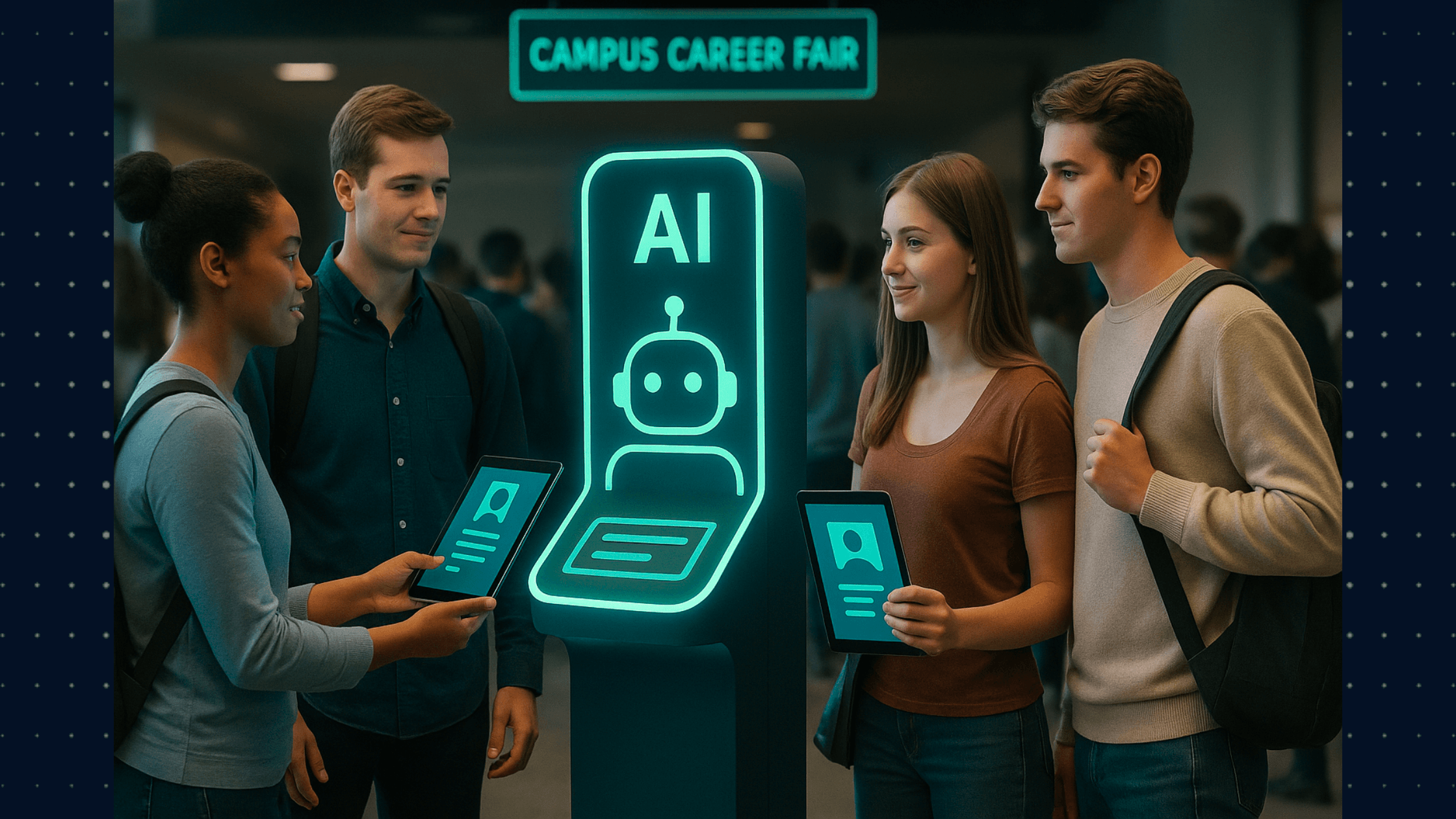 For lean startup teams, manual screening becomes unsustainable. Recruiters must evaluate candidates based on potential and adaptability rather than long professional experience—making consistency, fairness, and speed vital. Delays in the process can result in losing candidates to larger companies offering faster decisions and clearer communication.
How AI Interview Screening Works
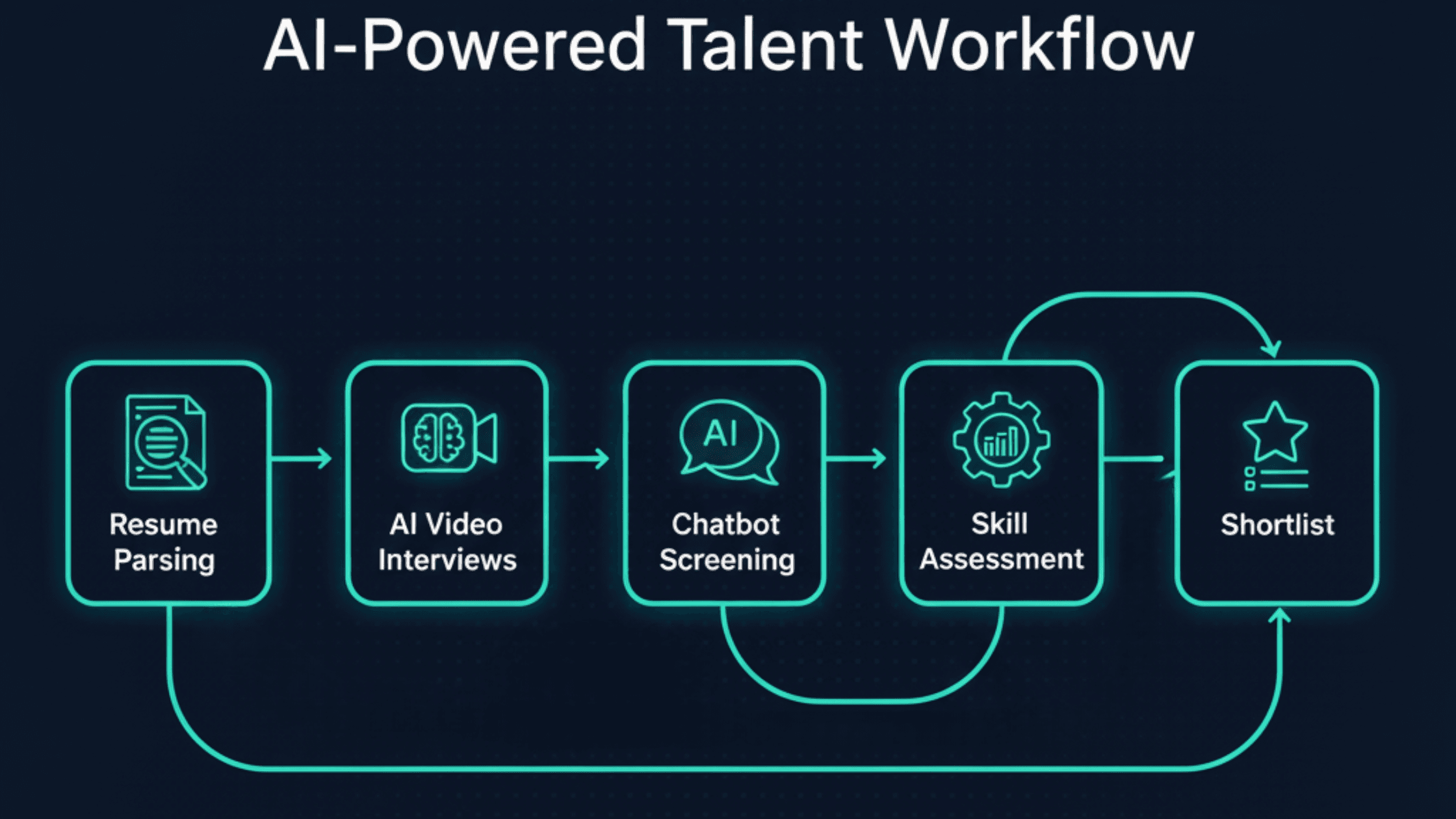
AI interview screening combines several complementary technologies to automate candidate evaluation while maintaining fairness and data accuracy. These include resume parsing, AI video interviews, conversational chatbots, and skill-based assessments.
Resume Parsing and Analysis
AI-powered resume parsers automatically extract key details such as education, skills, and certifications. The system converts unstructured text into structured data and compares it against job requirements, saving recruiters hours of manual review.
AI-Powered Video Interviews
AI-led one-way video interviews allow candidates to record responses to preset questions at their convenience. Algorithms analyze voice, tone, word choice, and facial expressions to assess communication skills and confidence. Platforms like CloudApper AI Recruiter and Hyrefast AI operate 24/7, delivering standardized, bias-free evaluations.
Conversational AI Chatbots
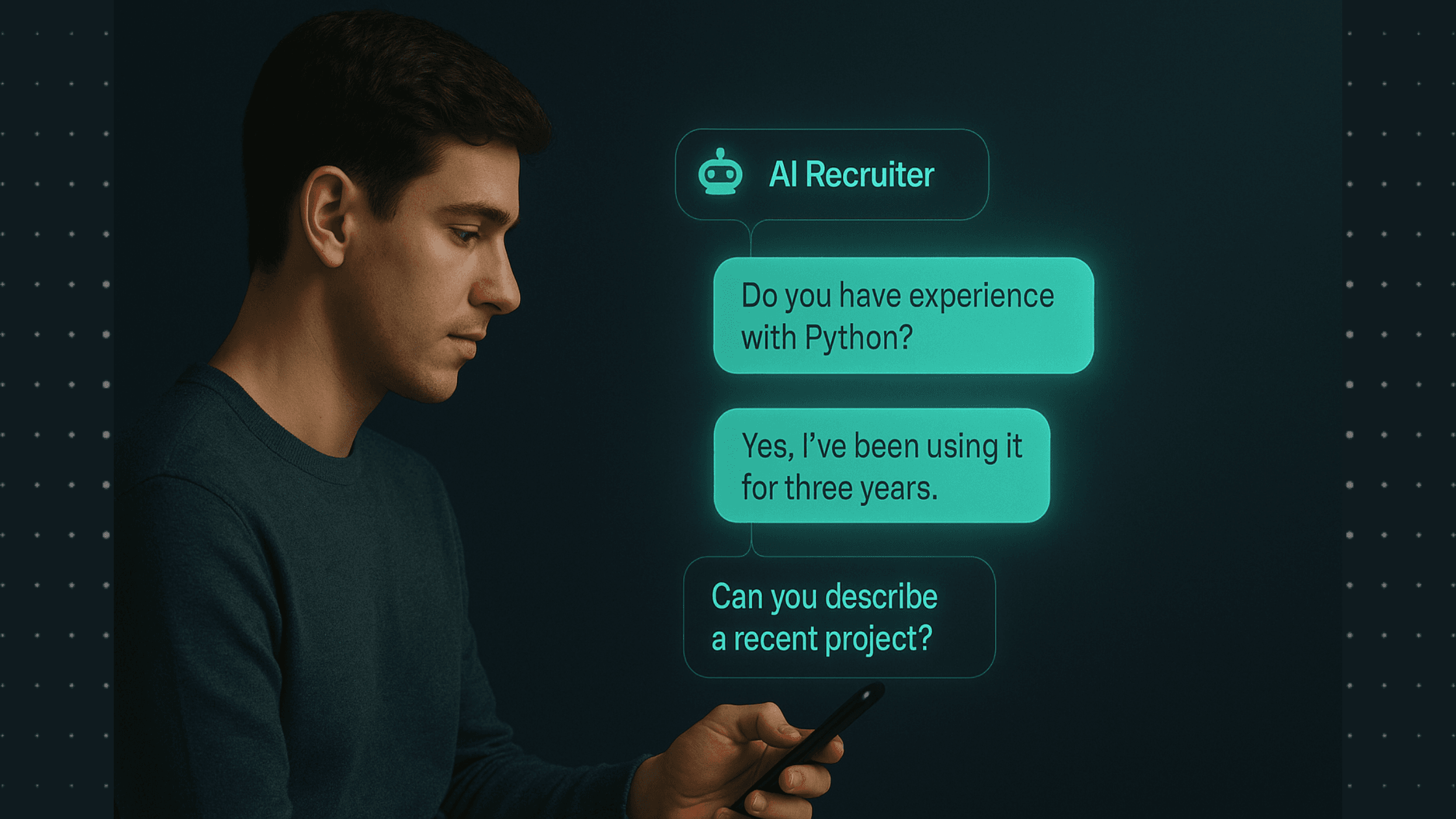
Chatbots engage candidates through real-time, mobile-friendly conversations—asking dynamic screening questions and providing instant feedback. They adapt questions based on candidate responses, improving engagement and accuracy while maintaining a human-like experience.
Skill-Based Assessments
Platforms like HackerRank and Karat provide automated coding and technical assessments with built-in plagiarism checks. AI scores these tests objectively, enabling startups to evaluate hundreds of technical candidates simultaneously.
Key Benefits for Startup Campus Hiring
- Dramatic Time and Cost Savings: Traditional recruitment takes around 42 days and costs over $4,000 per hire. AI automation reduces this to 10–14 days and cuts costs by up to 75%. Recruiters reclaim roughly 23 hours per hire previously spent on administrative work.
- Scalability Without Extra Overhead: AI systems can process thousands of applications simultaneously. Startups can expand hiring without increasing recruiter headcount.
- Enhanced Candidate Quality and Retention: Consistent and structured evaluations improve match quality. Startups report interview-to-offer conversions rising from 20% to 40%.
- Elimination of Human Bias: AI tools remove personally identifiable data—names, schools, demographics—to ensure assessments focus solely on skills and potential.
- Superior Candidate Experience: Candidates enjoy flexibility and quick feedback, with response times reduced from weeks to minutes. AI-driven communication enhances employer reputation among graduates.
Specific Implementation Strategies for Startups
- Start with a Pilot Program Begin with a single role or campus to measure impact on cost, time, and quality before scaling.
- Select the Right Tech Stack
Choose tools aligned to your needs—chatbots for screening volume, coding platforms for technical roles, or integrated systems like Freshteam for complete pipelines.
- Integrate with Existing ATS Ensure your AI tool connects with existing systems such as Recooty (https://recooty.com/) or Workday to prevent manual data transfer.
- Define Clear Screening Criteria Specify required skills, qualifications, and cultural values upfront to ensure the AI filters accurately.
- Maintain Human Oversight Human recruiters should verify top matches, audit AI outcomes, and ensure ethical consistency.
- Communicate Transparently Explain to candidates what parts of the process are AI-driven and provide clear timelines and next steps to build trust.
Addressing and Mitigating Bias in AI Screening
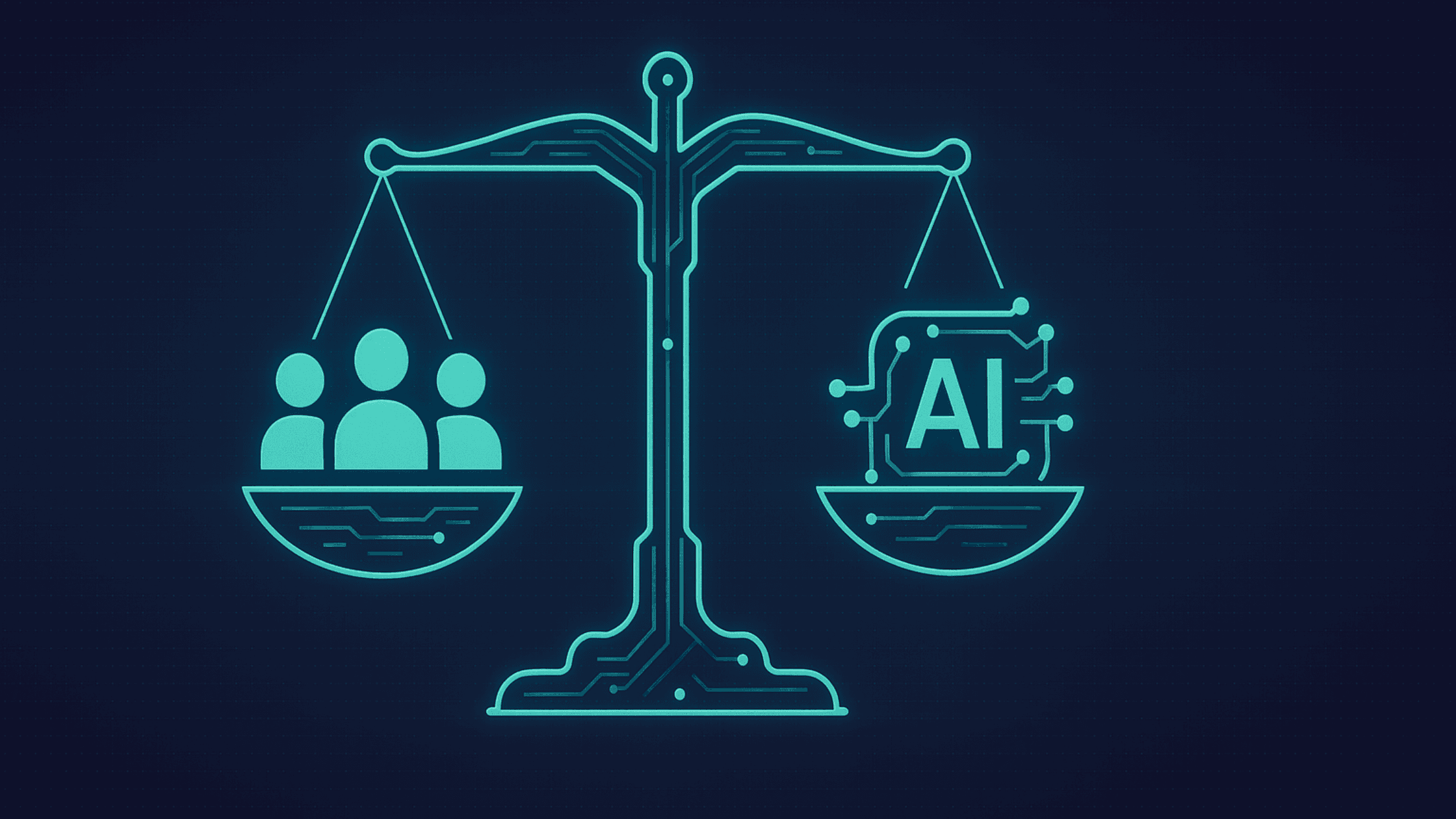 Use diverse and representative training datasets. Ask vendors about data diversity policies.
Implement blind screening to remove identifiable details like names and schools from early evaluation stages.
Track fairness metrics such as demographic parity and error-rate balance to detect disparities.
Conduct regular audits by testing AI with identical resumes featuring demographic variations.
Ensure explainability through AI dashboards that clarify why specific candidates scored highly.
Use diverse and representative training datasets. Ask vendors about data diversity policies.
Implement blind screening to remove identifiable details like names and schools from early evaluation stages.
Track fairness metrics such as demographic parity and error-rate balance to detect disparities.
Conduct regular audits by testing AI with identical resumes featuring demographic variations.
Ensure explainability through AI dashboards that clarify why specific candidates scored highly.
Measuring Success and ROI
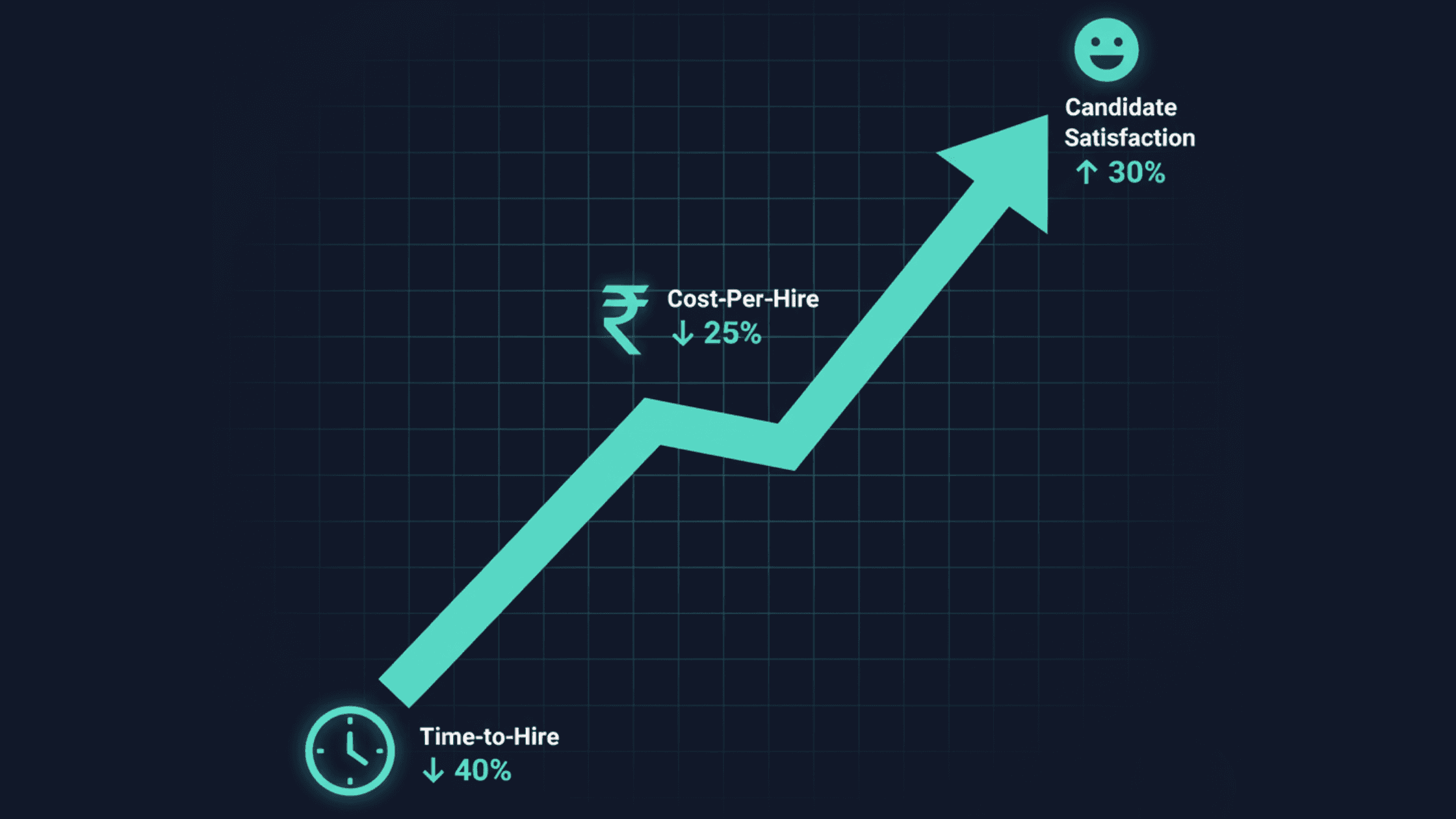
- Time-to-Hire: Expect a 50–67% reduction (from 42 days to 14–21).
- Cost-per-Hire: Reduce total recruitment costs by 50–75%.
- Recruiter Productivity: Save approximately 23 recruiter hours per hire.
- Quality of Hire: Improve first-year retention by around 42%.
- Candidate Experience: Boost completion rates by up to 50%.
- Screening Consistency: Increase uniformity from 78% to near 100%.
Overcoming Common Implementation Challenges
Technology Adoption: Train hiring teams on using AI dashboards and interpreting readiness scores. Integration Complexity: Choose tools with native ATS integrations to avoid parallel systems. Candidate Concerns: Build transparency through communication about AI’s role in hiring. Bias Vigilance: Continuously audit results and adjust screening models for fairness.
Future Outlook
AI adoption in campus recruitment continues accelerating. By 2025, between 40% and 90% of major employers will use AI-led resume screening depending on region and industry. Modern solutions are increasingly conversational and mobile-first, reflecting how students naturally engage online. For startups, AI screening is evolving from a competitive advantage into an essential capability for identifying early-career talent efficiently. At Hyrefast, we empower startups to automate first-round interviews using AI-led assessments that identify top candidates quickly and fairly. Our platform helps recruiters save time, enhance objectivity, and scale campus hiring without losing the human touch. Learn more.